What Is Two-Spirit? Meaning, History and Respect
November 25, 2026
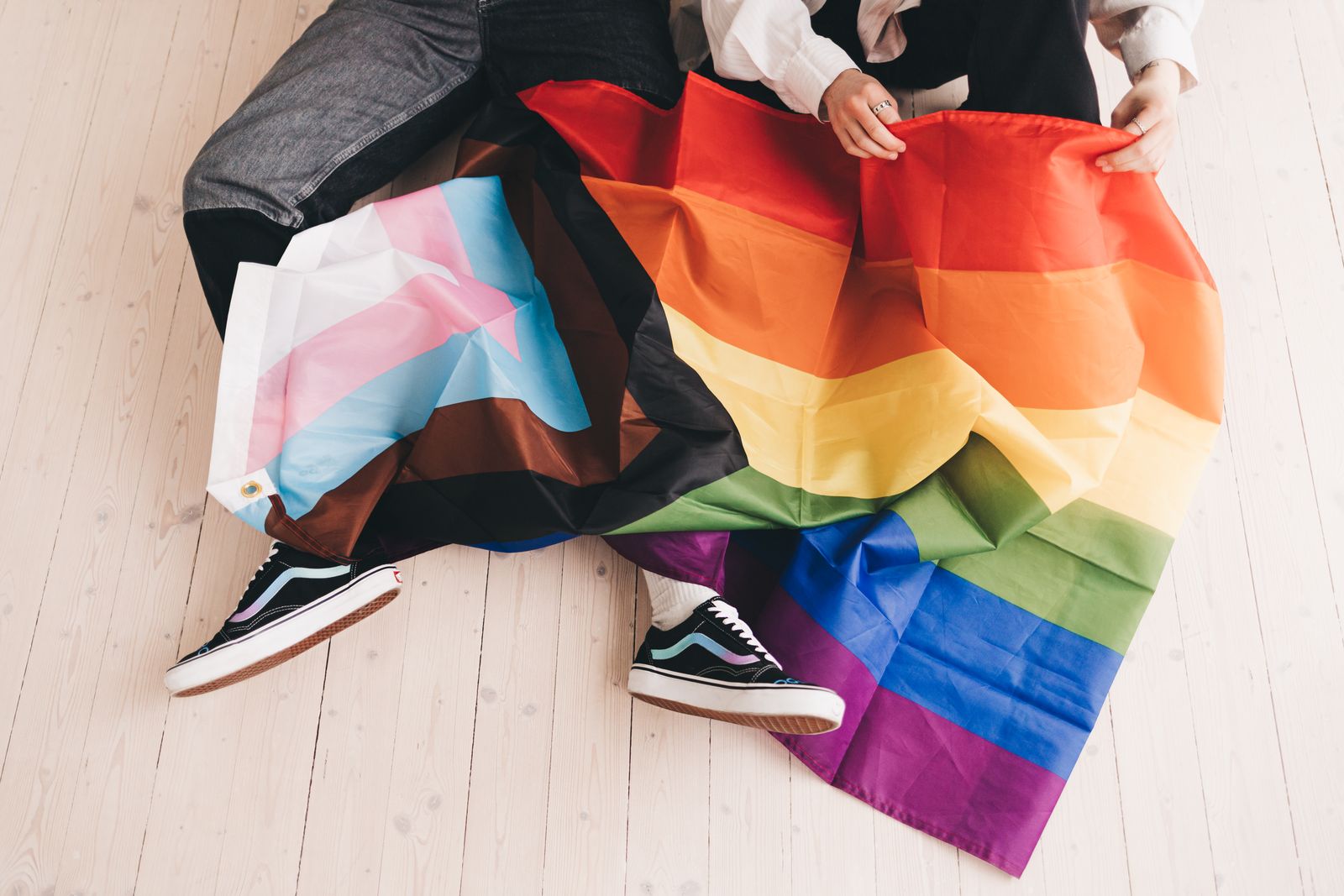
Maybe you’ve seen “2S” at the front of 2SLGBTQ+ and wondered what it stands for. Maybe an online gender quiz gave you “Two-Spirit” as a result and you’re not sure what to make of it.
Wanting to get it right is a good place to start.
Two-Spirit is an Indigenous term with a long history behind it, and it’s easy to misuse with the best intentions. Respect for the words people choose for themselves sits at the heart of transgender dating on TS Encounters. So here’s a careful guide to what the term means, where it came from, who it belongs to and how you can show respect.
Two-Spirit belongs to Indigenous communities, so treat this as a starting point. The best teachers are Two-Spirit people themselves.
So what does Two-Spirit mean?
Two-Spirit is a modern English umbrella term used by some Indigenous people of North America. It can describe gender, sexuality, a spiritual identity and a role within the community, often all at once.
There’s no single definition, and that’s on purpose. Hundreds of Indigenous nations each have their own languages, ceremonies and ways of understanding gender.
The shorthand you’ll see most is “a male and a female spirit in one body”. Some Two-Spirit people describe themselves that way. Many others say it misses the point, because their identity may have little to do with being “both” genders at all.
For many, sexuality, gender, spirituality and community role aren’t four separate boxes. They come together as one identity, lived inside a nation and the responsibilities it brings.
And it’s a term created by Native people for Native people. That last part matters more than any definition.
Where the word came from
The term was adopted in 1990 at an intertribal gathering of Indigenous lesbian and gay people outside Winnipeg, Manitoba.
Myra Laramee, a Cree woman, brought it there after a dream. In it, she heard the Anishinaabemowin words niizh manidoowag, meaning “two spirits”. Albert McLeod, now an Elder, helped shape how the term was used and shared.
People at the gathering embraced it as a positive identity and chose not to pin it down too tightly. That openness is still part of the term today.
The new word had a job to do. Missionaries and anthropologists had long used “berdache”, a colonial label that many Indigenous people find offensive. Two-Spirit replaced it with a name Indigenous people chose for themselves.
You may read online that an outsider invented the word. Indigenous people chose it, and a recent word isn’t a fake one. Non-binary is just as new.
The roles are far older than the word
The word dates from 1990. The people it describes are not new at all.
Many nations have their own words for people who live outside a strict man-or-woman split. The Lakota word winkte, the Diné word nádleehí and the Zuni word lhamana are three examples. Cree has at least six such terms and Anishinaabemowin at least four.
Those roles were never identical from one nation to the next. Some people held ceremonial or healing roles. Others were known as artists, weavers or teachers. Some nations had no such roles at all.
It’s tempting to picture a golden age when every Two-Spirit person was honoured as a healer. Respect varied from nation to nation as much as the roles did, and a rose-tinted version does nobody any favours.
That’s why many Two-Spirit people prefer the word from their own language when they know it. Two-Spirit works as a bridge between nations. It doesn’t replace what each one already had.
What colonisation tried to erase
Colonisation hit these traditions hard. Missionaries, residential schools in Canada and boarding schools in the US pushed a strict two-gender model onto Indigenous children.
Children who didn’t fit were punished. Laws targeted same-sex relationships too.
Many Two-Spirit people went into hiding inside their own communities. Some traditions were lost, along with the languages that held them.
The 1990 gathering was part of a fightback. Since then, Two-Spirit societies, gatherings and powwows have grown across Turtle Island, the name many Indigenous people use for North America.
Is Two-Spirit the same as being trans?
No, though the two can overlap.
It isn’t a Native word for trans. It isn’t another name for genderfluid or bigender either.
Some Two-Spirit people are trans. Others are gay, lesbian, bisexual or non-binary. Some use both words side by side, so someone might call herself a Two-Spirit lesbian or a Two-Spirit trans woman. Using Two-Spirit as a stand-in for “gay” or “trans” can wipe out what the person means by it.
Not every trans or queer Indigenous person is Two-Spirit either. Some prefer a word from their own nation. Others use Indigiqueer, a term from Indigenous writers and artists.
Trans describes gender and isn’t tied to any one culture. Two-Spirit is rooted in Indigenous culture, community and spirituality. It sits alongside the wider trans terminology you may already know, rather than inside it.
You’ll often see it in Canada as 2SLGBTQI+. The 2S goes first to recognise Two-Spirit people as the first 2SLGBTQI+ communities on these lands. It sits in the wider acronym because Two-Spirit people are gender and sexual minorities as well as Indigenous people.
Can non-Native people be Two-Spirit?
No. This is the part people most often get wrong.
Two-Spirit is an identity for Indigenous people only. It’s tied to nations, their languages, their ceremonies and the responsibilities that come with them. It isn’t a general word for having a masculine and a feminine side.
If an online quiz told you you’re Two-Spirit, the quiz got it wrong. A quiz can’t hand you a culture.
If you’re not Indigenous and Two-Spirit sounds like you, the feeling is real, but the word isn’t yours. Non-binary, genderfluid, bigender or queer might fit. Plenty of people find their word after trying a few on.
How to show respect from here in the UK
You don’t need to be an expert to be respectful. A few habits go a long way.
Use Two-Spirit only for people who use it themselves, and ask which word someone prefers.
Keep it out of your own labels, dating profile and usernames if you’re not Indigenous.
Skip the mystical framing, because Two-Spirit people are teachers, artists, parents and activists living now.
Don’t ask someone to prove their heritage or explain their whole culture in a first chat.
Learn from Indigenous people directly, then share their work rather than retelling it.
Meeting someone who’s Two-Spirit? Let them tell you what it means to them, in their own time. That’s the same courtesy every trans person deserves.
Where to hear Two-Spirit voices
November is Native American Heritage Month in the US, so it’s a good moment to listen.
Bay Area American Indian Two-Spirits has hosted one of the first Two-Spirit powwows open to the public, starting in 2012.
Dedicated Two-Spirit powwows now welcome thousands of people a year, from California to South Dakota and Montana.
For first-hand stories, look up Cree artist Kent Monkman, Passamaquoddy artist Geo Neptune and Ma-Nee Chacaby. She’s an Ojibwa-Cree Elder who wrote her life story in her own words.
One term, many nations
Two-Spirit is a pan-Indigenous umbrella term used by some Indigenous people of North America. It was adopted in 1990 near Winnipeg and comes from the Anishinaabemowin niizh manidoowag.
It can cover gender, sexuality, spirit and community role, and each nation understands it in its own way. It overlaps with trans but isn’t the same thing. It belongs to Indigenous people only.
Respect means using the words people choose for themselves, and that’s how every member of TS Encounters deserves to be met too.
Looking for somewhere the right words come as standard?
The same care for the right words runs through everything we do.
On TS Encounters, trans women, trans men and non-binary people meet others who want to get to know them with kindness. Every connection here starts with people describing themselves in their own words.
We verify profiles, so who you message is who you’ll meet over coffee. Moderation and safety tools keep things friendly. Your details stay private and discreet.
Members span the UK and well beyond, and the site works in more than 12 languages.
Browse dating profiles near you, open one that catches your eye and say hello. Then let them tell you who they are.